Proven Winners
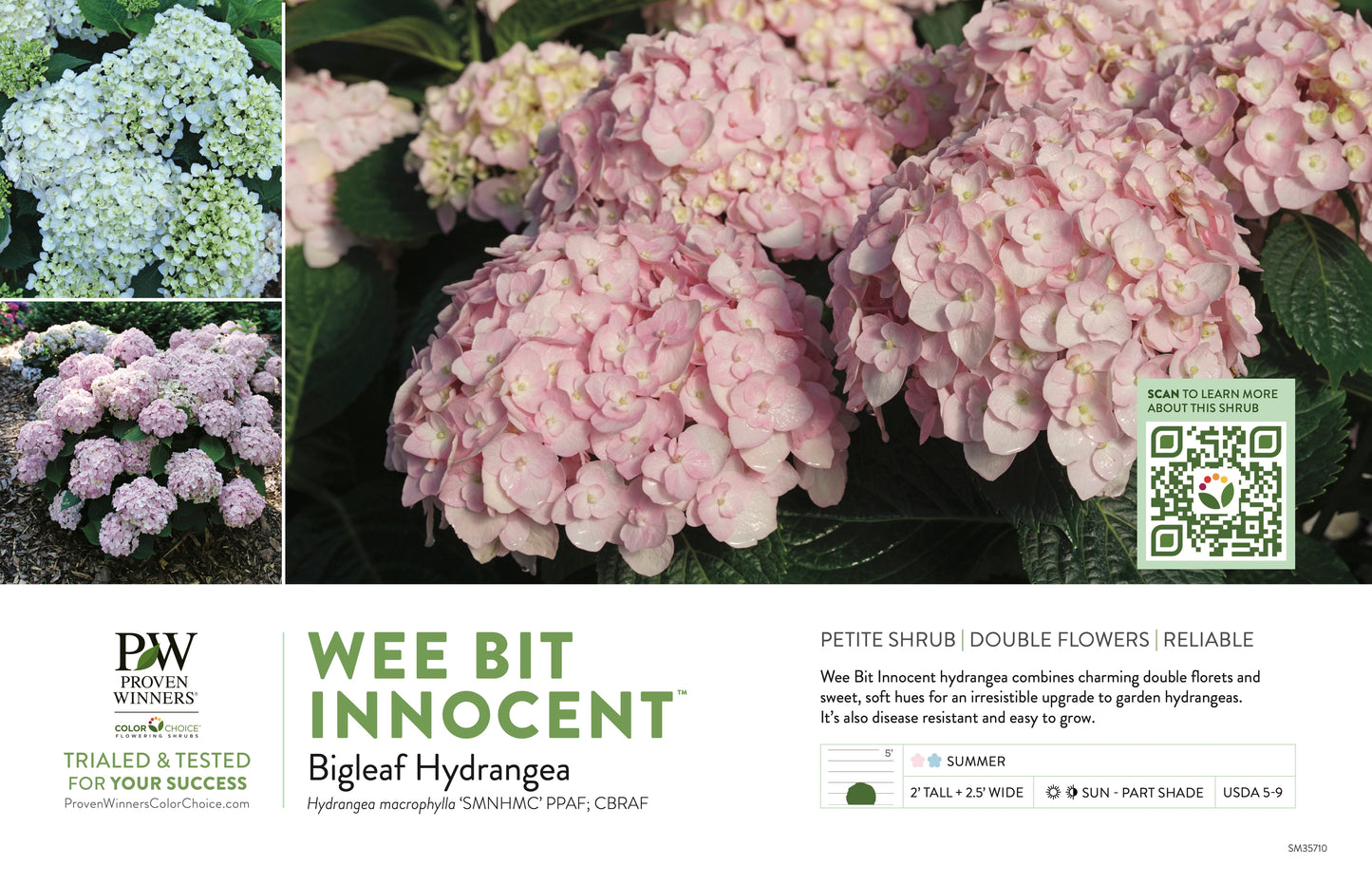
Proven Winners Wee Bit Innocent™ Bigleaf Hydrangea | Hydrangea macrophylla 'SMNHMC'
Proven Winners Wee Bit Innocent™ Bigleaf Hydrangea | Hydrangea macrophylla 'SMNHMC'
Couldn't load pickup availability
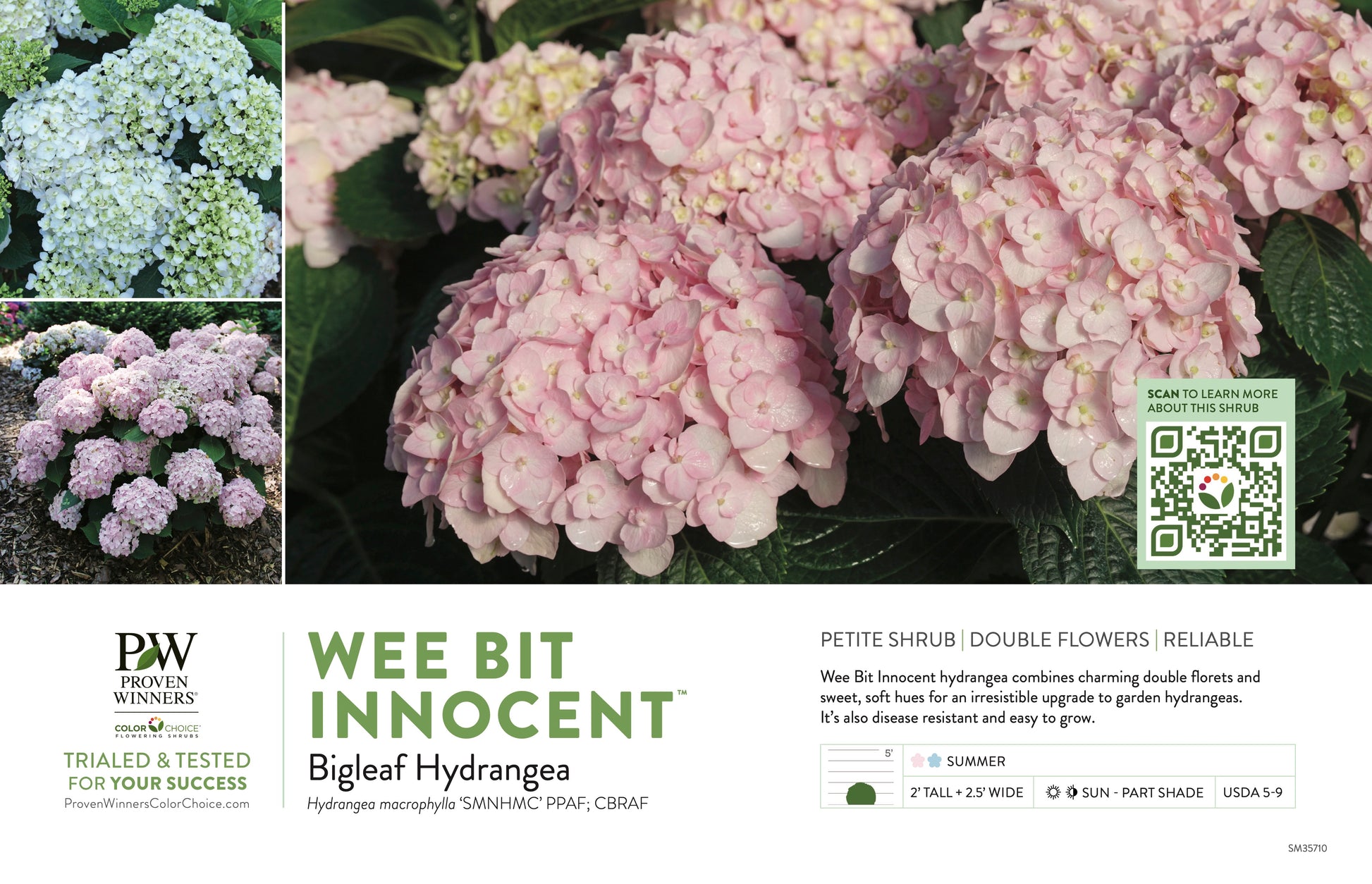
Mature Height: 2 feet
Mature Spread: 2 ½ feet
Spacing: 2 ½ feet
Hardiness Zone: 5 - 9
Exposure: Sun, Part Sun
Bloom Time: Summer
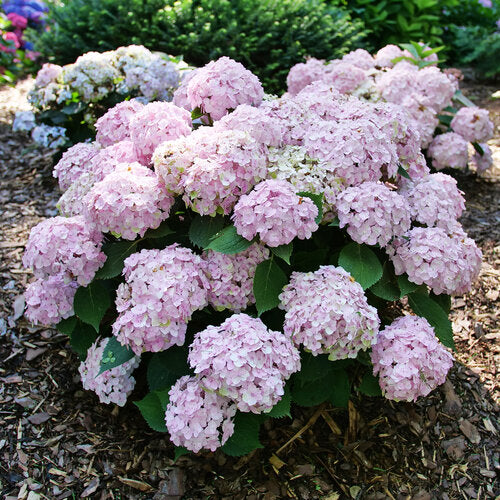
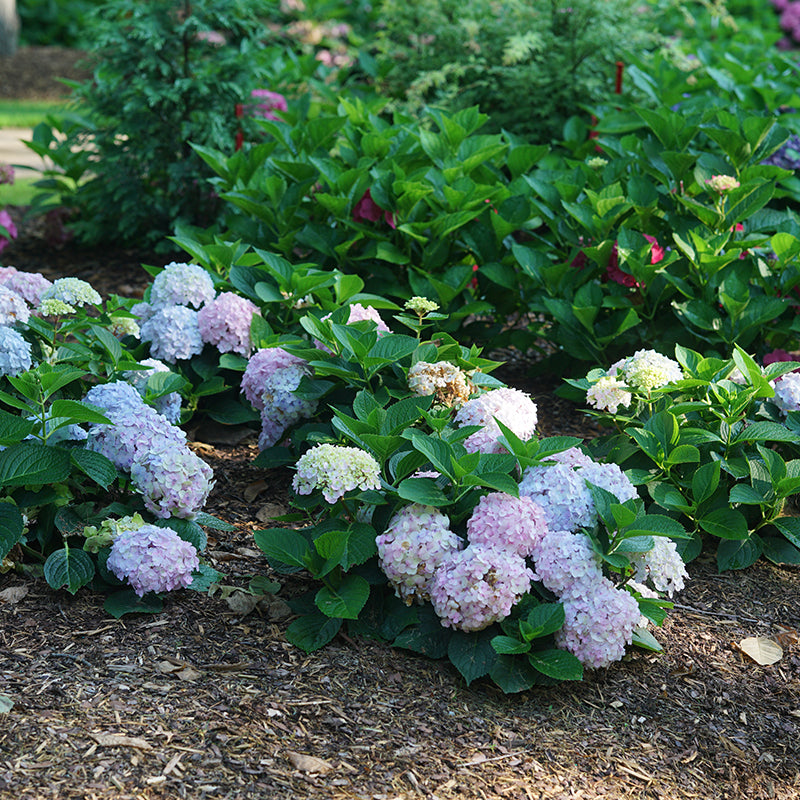
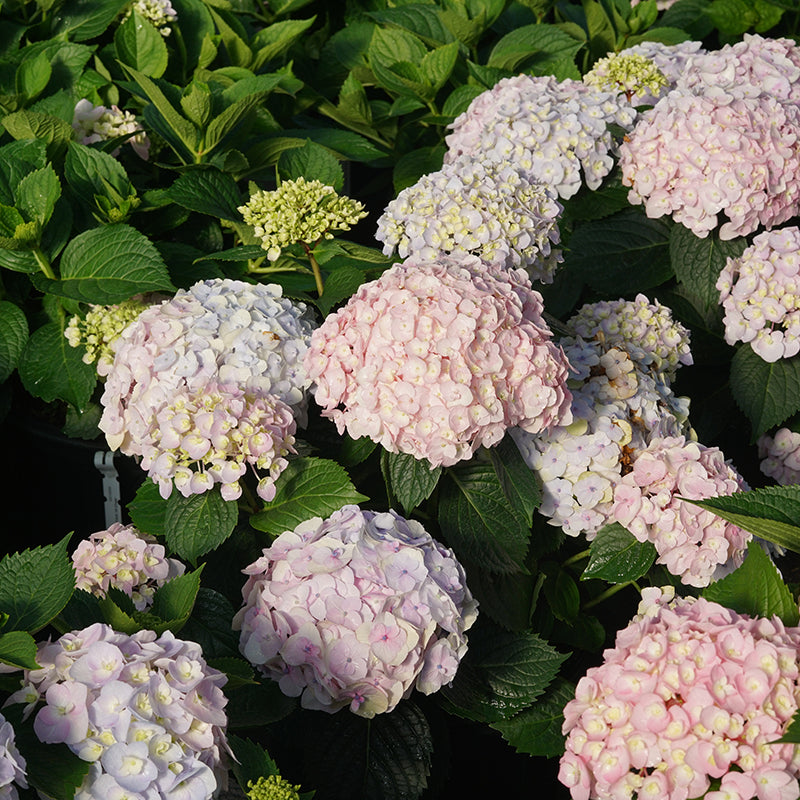
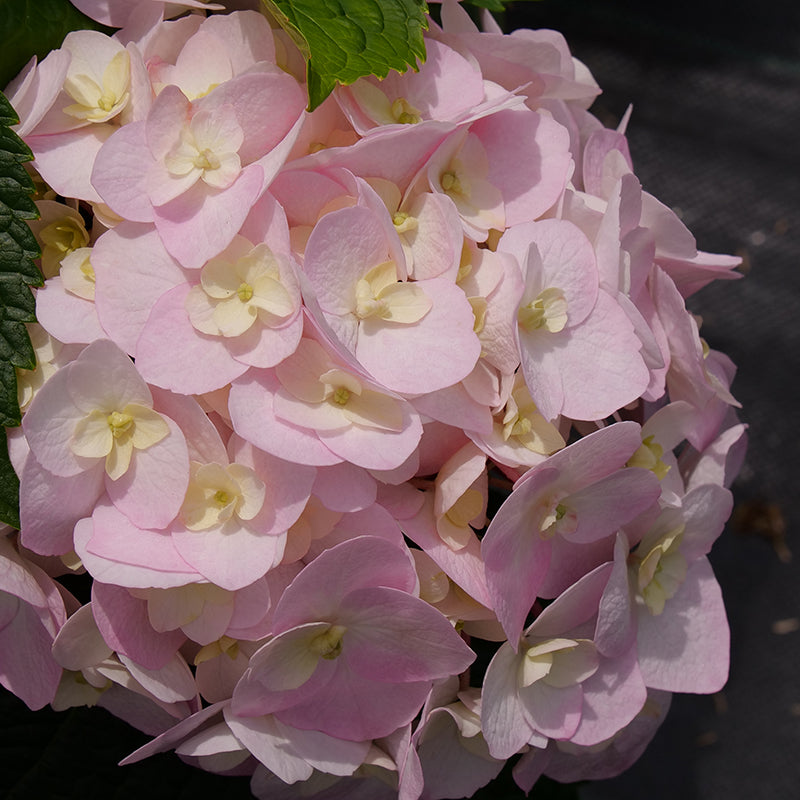
If soft colors are the foundation of your garden palette, you will love Wee Bit Innocent™ hydrangea. Its lush mophead blooms fill with pastel pinks, blues, and purples. It is a soft, pillowy place for your eyes to rest in the summer garden. It even reblooms a bit in the fall! You’ll get to enjoy the intricate doubled florets for months.
Growing Tips
Big-leaf hydrangeas cannot be pruned at any point in the year without negatively impacting the flowering. As such, it's best to avoid pruning this type of hydrangea altogether. If portions of the plant were damaged from winter weather, they can be removed in spring when it is clear where the new growth is emerging.
The key to getting reblooming hydrangeas to produce new-wood flower buds is to keep them growing vigorously all summer. Apply a granular rose fertilizer in early spring, when the ground has thawed, and again in late spring. Never fertilize after late July; that can interfere with the plant going dormant.
The "default" color for big-leaf hydrangeas tends to the pink/red tones, and that is the color they will display in neutral (pH 7.0) or higher soil. The soil must be acidic (at least 6.5 or so) for the blue color to develop, and aluminum, a naturally occurring soil mineral, must be present. If you are not satisfied with the flower color in your yard, get a soil test so that you know exactly what must be changed. We do not recommend applying any kind of treatment "just in case" - that's a waste of time and money, and could potentially lead to pollution or create inhospitable conditions in the soil.
Soil
Moist but well drained soils are best. Bigleaf hydrangeas may wilt in dry soils but also cannot take soggy conditions for any period of time. Tolerant of a range of soil pH levels, however, soil pH will influence flower color.
Pruning
Avoid pruning bigleaf hydrangeas, except to remove any dead wood. These hydrangeas cannot be cut back or trimmed at any time of the year without impacting the bloom for either the current season or the next.
Uses
Bigleaf hydrangeas are classic choices for flower gardens, cottage gardens, and seaside plantings. They also make a showy addition to foundation plantings and can be used for low hedges or edging.
Growing Tips
Bigleaf hydrangeas benefit from a good layer of shredded bark mulch and afternoon shade, particularly in hotter climates. Apply a granular fertilizer formulated for flowering shrubs (like a rose fertilizer) if leaves start to yellow.
Share