
Growing Tips: Dahlias
OVERVIEW
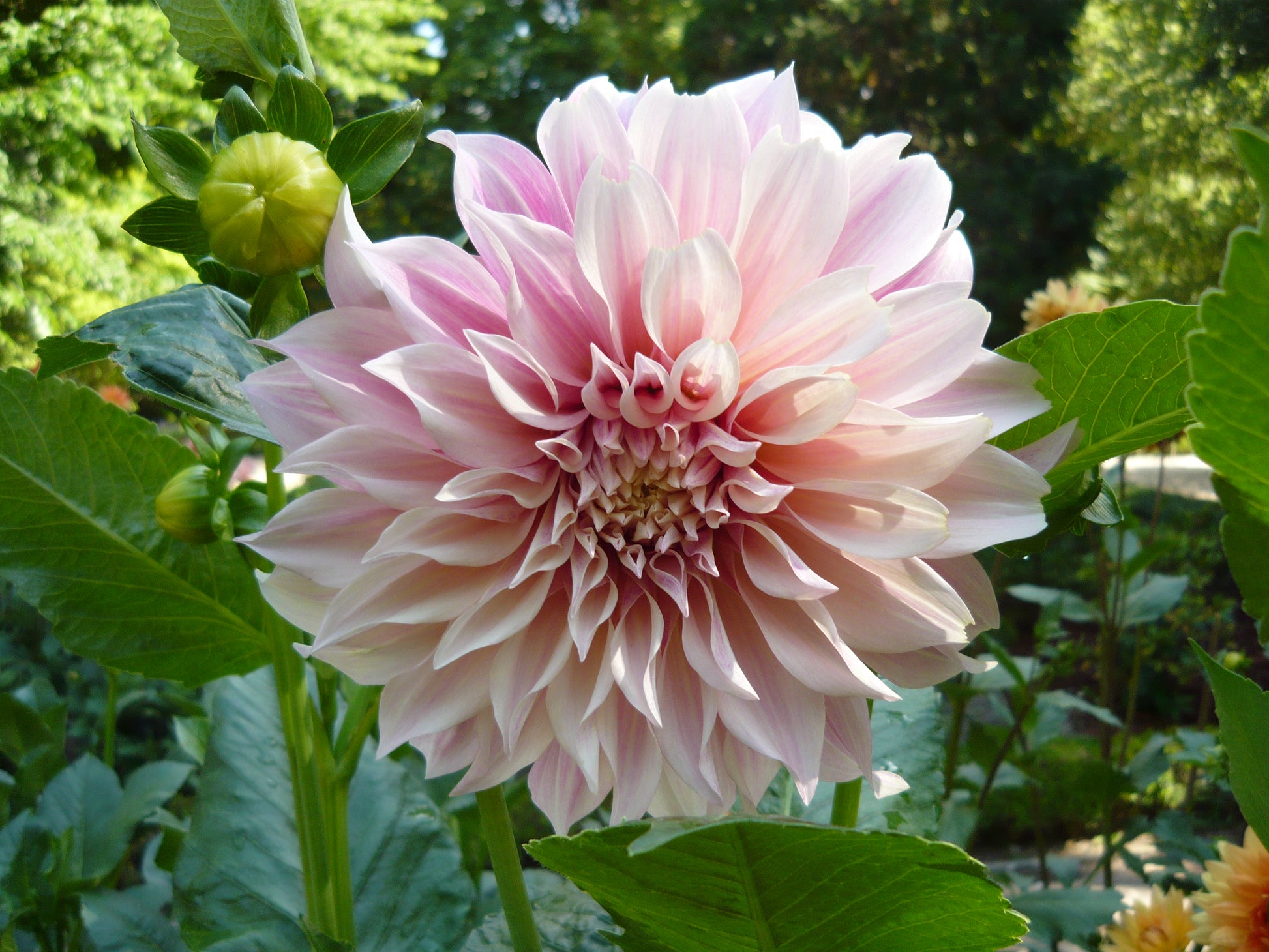
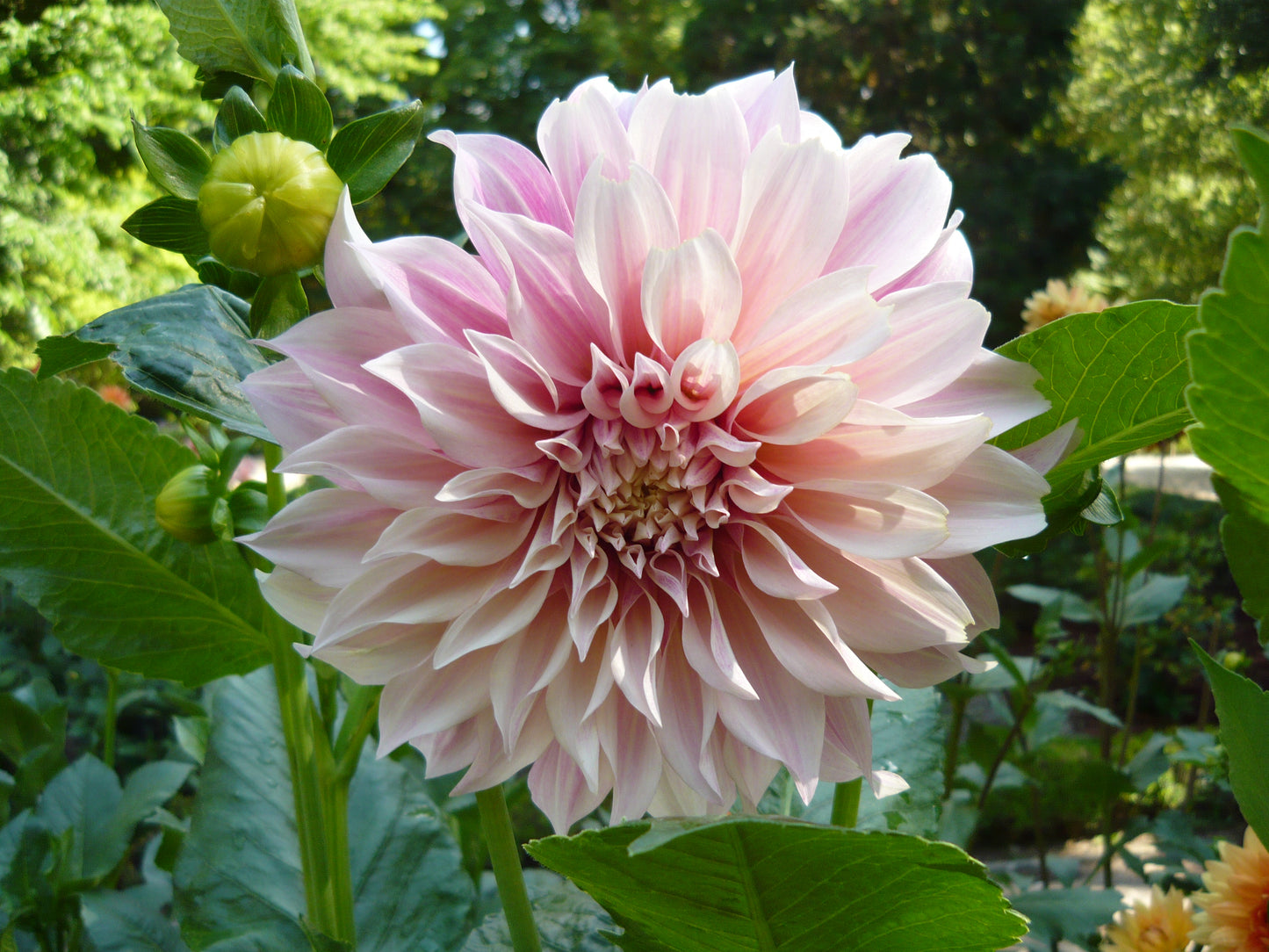
These natives of Mexico and Central America are members of the Asteraceae family, along with sunflowers, daisies, zinnias, and asters. Dahlias are renowned for their prolific blooms throughout the summer in a riot of colors, sizes and shapes.
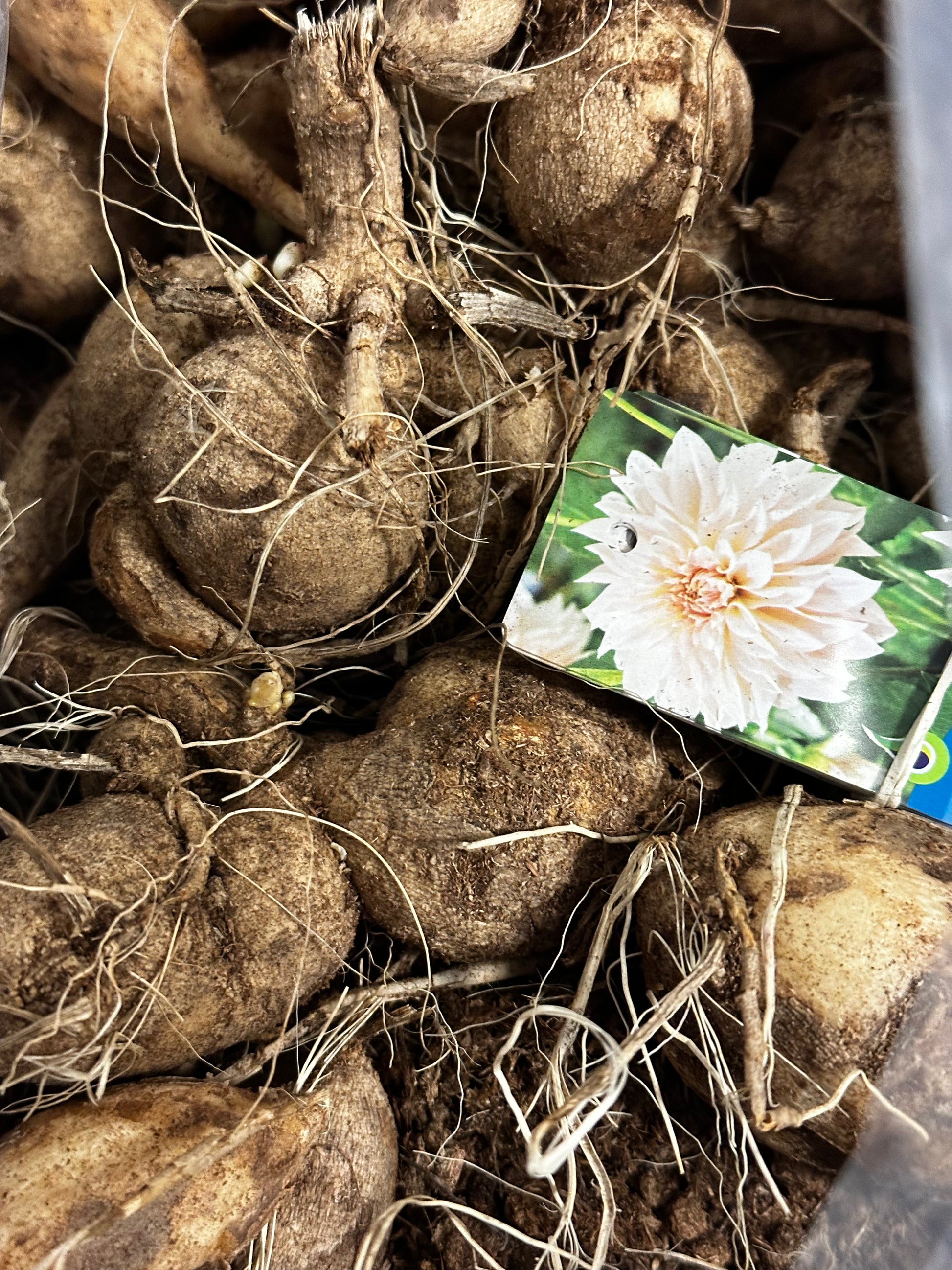
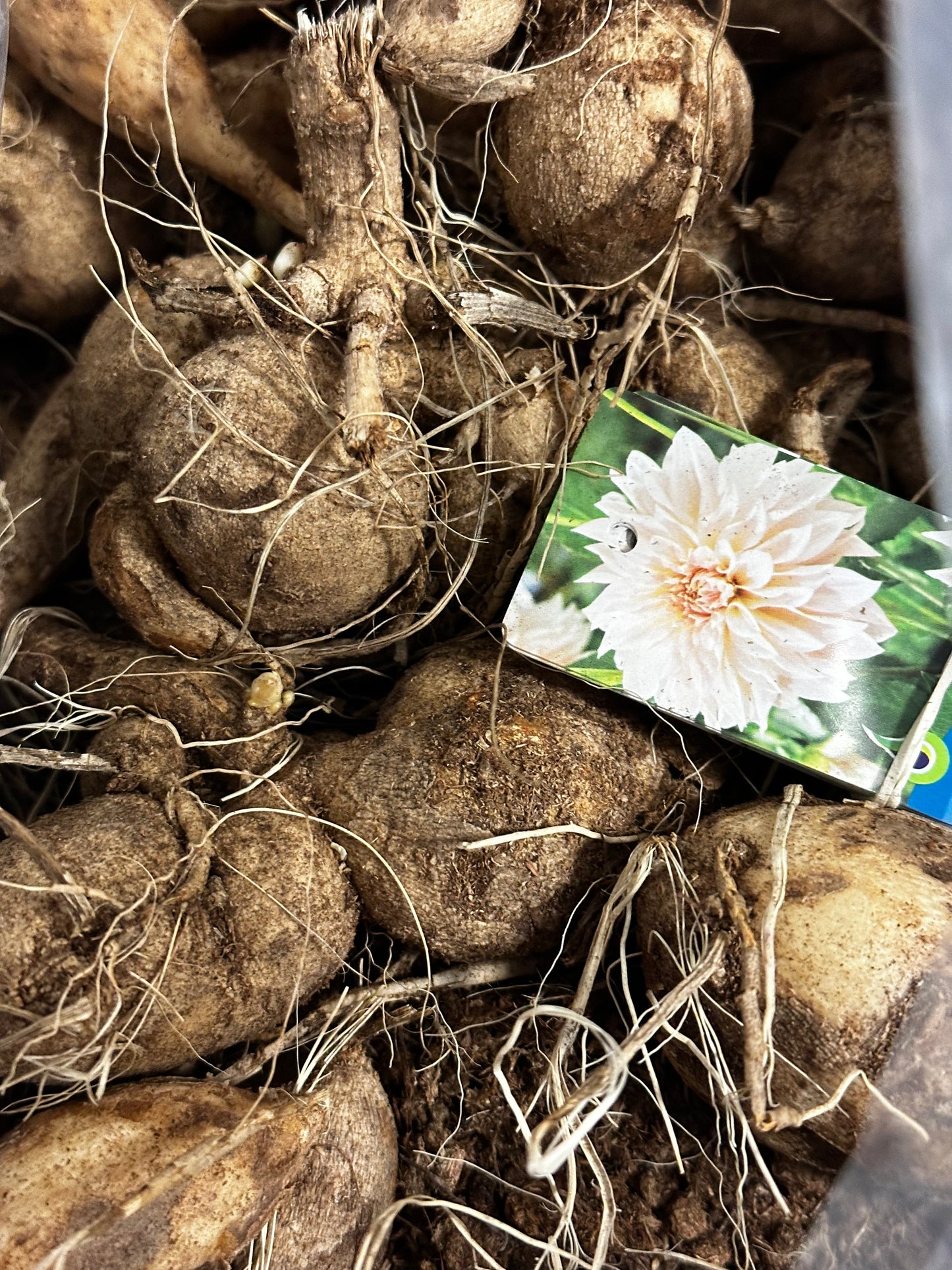
Dahlias grow from thick, tuberous roots that can be dug up and replanted year after year.
SITE SELECTION
- Site dahlias where they will receive 6 - 8 hours of direct sunlight.
- Wind protection is helpful to keep stalks from bending or breaking.
- Ensure they have rich, well-draining soil with a pH between 6 and 7.5. They require loose soil with lots of organic matter so that the tubers can grow over the season without restriction.
- Large varieties will benefit from dedicated beds.
- Can be started indoors in pots to get a jump on the season.
PLANTING
- Plant in spring after all chance of frost has passed and the ground has warmed. If it's warm enough to plant out tomatoes, then it's warm enough to plant dahlias.
- Space large varieties 3 feet apart or space closer together to create a hedge appearance. Medium- to low-growing varieties can be spaced 2 feet apart. Small dahlias can be planted 9 - 12 inches apart.
- Do not fertilize at planting or water the tubers right after planting. Tubers are sensitive to rot if they receive too much moisture too early. Water when tubers begin sprouting.
- Plant 6 - 8 inches deep, ensuring the "eyes" (buds) on the tubers are facing up. Cover tubers with 2- 3 inches of soil.
- Avoid mulching. Dahlia tubers prefer sun on their roots.
SPRING/SUMMER CARE
- If you dug your tubers up in fall and stored them for the winter, separate healthy tubers from the parent plant, making sure you cut tubers with at least one eye (a bump from which a stem will sprout).
- Plant in spring after all chance of frost has passed and the ground has warmed. If it's warm enough to plant out tomatoes, then it's warm enough to plant dahlias.
- Once established, water 2 - 3 times per week. If you are in hot, dry climates, water more frequently.
- After sprouting, dahlias benefit from a low-nitrogen, liquid fertilizer, such as 5-10-10 or 10-20-20. Overfeeding nitrogen can reduce bloom size. Feed every 2 -3 weeks.
- Fertilize every 3 to 4 weeks from sprouting in midsummer until early autumn. Do not over-fertilize, especially with nitrogen, or you risk small or no blooms, weak tubers, or rot.
- For large flowers, try disbudding: Remove the two smaller buds next to the central one in a flower cluster. The plant will put all its energy into fewer but considerably larger flowers.
- Deadhead to encourage more blooms.
FALL/WINTER CARE
- Dahlias will continue to bloom prolifically until frost.
- Dahlias are hardy in zones 8 - 10. North of zone 7, a fall frost will kill of the plant.
- Begin digging up dahlia tubers when foliage dies back and temperatures drop. Dig carefully around the tubers with a pitchfork or shovel to avoid damaging the sensitive tubers.
- Lift the clump and gently shake off the soil. Cut off rotten tubers.
- Leave clumps outside in the sun upside down to dry naturally for a few days then pack them in loose, fluffy material (e.g., vermiculite, dry sand) in a cool (not cold) space. Target a temperature of 40 - 45 degrees.
- Check tubers occasionally to make sure there is no rot.
OTHER CARE TIPS
- Stake larger varieties or set up flower netting at the time of planting for large drifts of dahlias.
- Dahlias are susceptible to a range of diseases and pests. Establish a care regimen to control for disease and pests early in the season. Ensure good air circulation and avoid overhead watering.